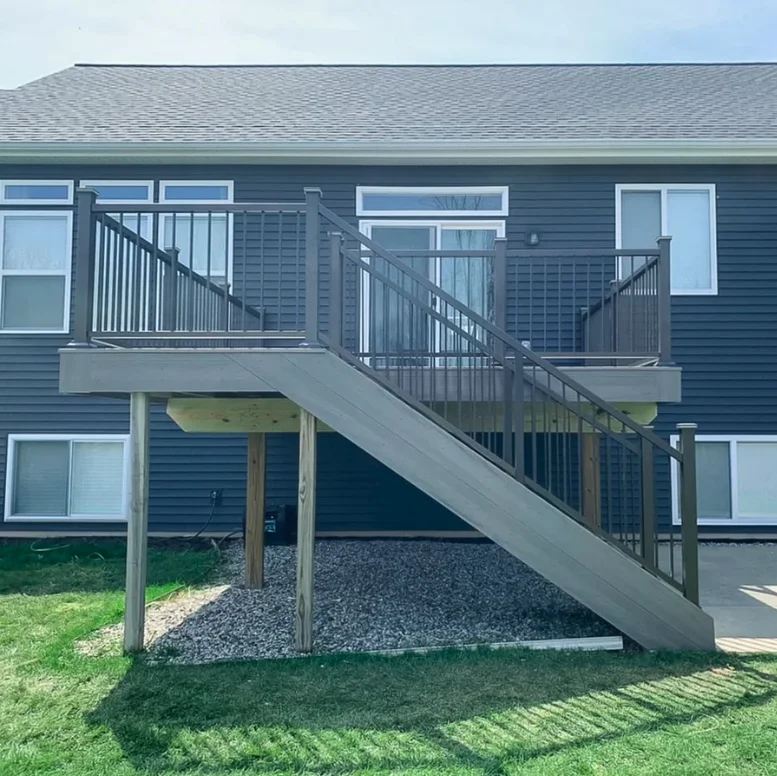
If you’re planning a new deck for your Massachusetts home, choosing the right material is crucial. Composite decking and PVC decking are two popular low-maintenance alternatives to traditional wood, favored for their durability and ease of care. While both resist rot and fading better than wood, they differ in composition, appearance, and performance. Understanding these differences can help you make a smart, lasting investment that suits your style and withstands New England’s harsh weather. In this post, the decking experts at Deck It explore the benefits and key considerations of composite versus PVC decking to guide your decision.
Understanding the Materials: What Goes Into Each Type of Decking?
Before you can choose the right decking material, you need to know what each is made of and how it’s constructed.
Composite Decking: The Wood-Plastic Blend
This material is made from a blend of recycled wood fibers and plastics. It typically features a protective outer layer, known as a capstock, which resists moisture, mold, and stains. The core provides strength and a wood-like texture, while the outer shell offers durability against the elements.
- Typically contains 50-60% recycled wood and 40-50% plastic
- Looks and feels more like natural wood
- Comes in a variety of colors and grain patterns
- Available in capped and uncapped versions
PVC Decking: All-Plastic Construction
PVC decking is made entirely from polyvinyl chloride (a type of plastic), without any wood fibers. This makes it exceptionally resistant to moisture and insect damage.
- 100% plastic—no organic material
- Lighter than composite
- Highly resistant to mold, mildew, and water damage
- Generally more rigid and durable in wet environments
Benefits That Matter: How Each Performs in Real Life
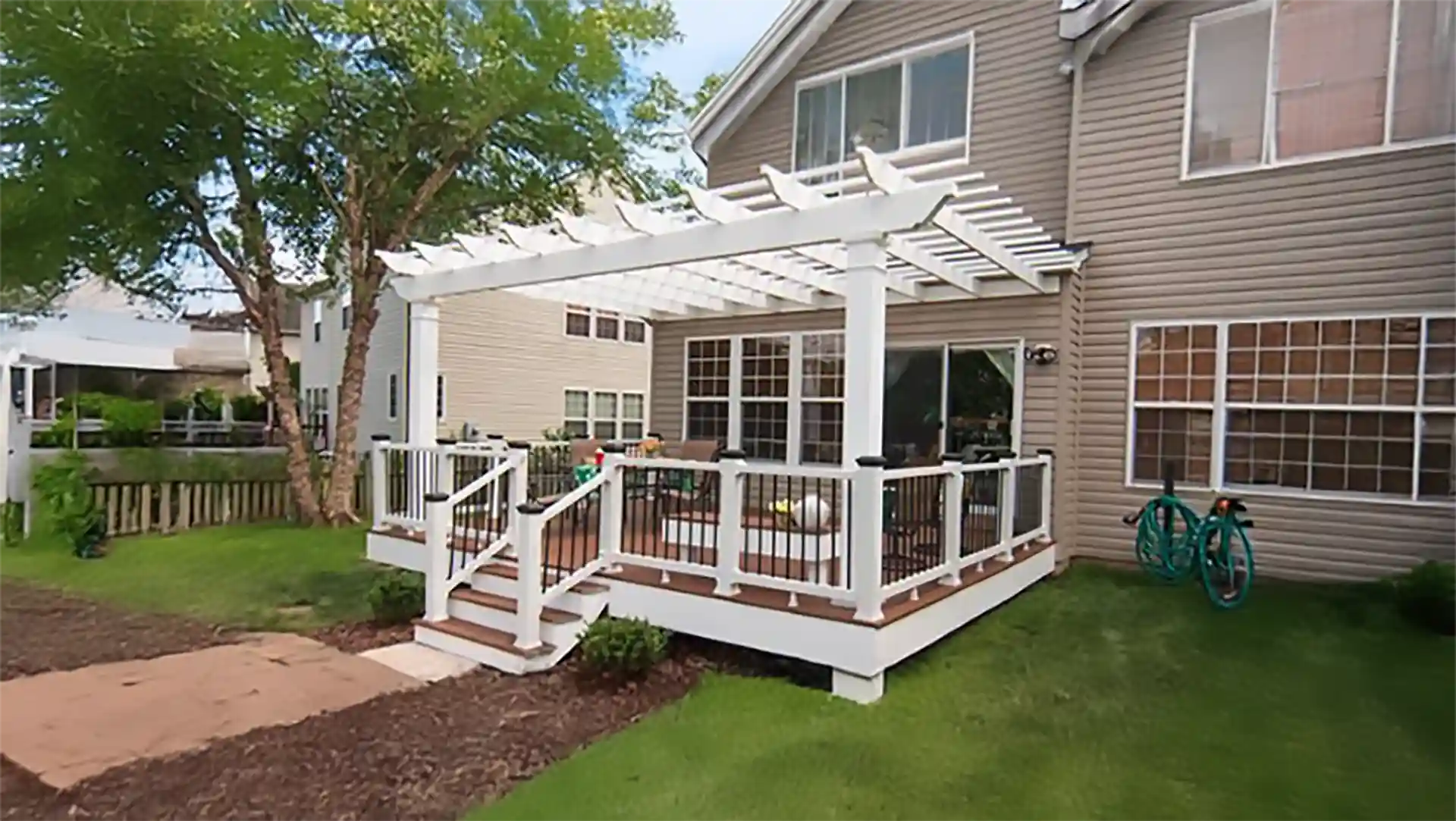
When it comes to everyday use, composite and PVC both shine in different ways. Here’s what to consider when comparing their advantages.
Why Homeowners Love Composite Decking
- Realistic wood look – Many brands offer high-end grain patterns that mimic wood beautifully.
- Low maintenance – No need to sand, stain, or paint.
- Fade resistance – Especially true for capped composite boards.
- Eco-friendly – Made with recycled content, great for green-conscious homeowners.
- Feels warm underfoot – Composite boards tend to retain heat a bit better in colder seasons.
PVC Decking’s Top Advantages
- Superior moisture resistance – Perfect for pool decks or homes near the coast.
- Longer lifespan – In many cases, PVC outlasts composite decking by 5-10 years.
- Scratch and stain resistance – The plastic surface holds up to heavy furniture, pets, and spills.
- Low expansion/contraction – Less likely to warp during freeze-thaw cycles.
- Mold-proof – No wood = no food source for fungi.
Choosing the Right Fit: What Should You Consider?
While both materials are durable and low-maintenance, your final decision should consider more than just longevity.
Think About:
- Budget – Composite is typically less expensive than PVC upfront.
- Climate – Massachusetts weather includes snow, rain, and humidity. PVC may edge out composite in water-prone areas.
- Foot traffic – For high-use spaces, PVC’s rigid structure may be more resilient.
- Aesthetics – Composite offers a more natural, wood-like appearance.
- Resale value – Both are seen as premium upgrades, but PVC often carries a slightly higher perceived value.
Best Practices for Homeowners:
- Compare samples side-by-side in natural light.
- Ask about product warranties—some go up to 50 years.
- Consult with a professional to assess site-specific needs like drainage, sun exposure, and soil movement.
Misconceptions & Mistakes: Get the Facts Straight
Common Myths About Composite and PVC Decking
There are plenty of myths about composite and PVC decking that can confuse buyers. Let’s clear up the facts so you can choose confidently.
Myth 1: Composite decking is maintenance-free.
Truth: It’s low maintenance, not no maintenance. Occasional cleaning with soap and water keeps it looking fresh.
Myth 2: PVC decking always looks plastic.
Truth: High-end PVC boards have textured finishes that closely mimic real wood.
Mistake to Avoid:
Choosing solely based on price can lead to disappointment. Instead, think about your long-term goals—durability, appearance, and lifestyle needs.
Focus on durability, appearance, and long-term value—not just price—to pick the decking that’s right for you.
Frequently Asked Questions
Which material lasts longer—composite or PVC?
PVC typically has a longer lifespan (30–50 years), while high-quality composite decking lasts about 25–35 years with proper care.
Is PVC worth the higher cost?
If you want superior moisture resistance and durability, especially for high-moisture areas, the added investment can pay off.
Can I install these materials myself?
While both can be DIY-friendly, we recommend professional installation from experts like Deck It to ensure proper spacing, fastening, and warranties.
Contact Us Today!
Choosing between composite and PVC decking doesn’t have to be confusing. At Deck It, our team of decking specialists helps homeowners across Massachusetts select and install the ideal materials for their lifestyle, home style, and budget.
Whether you’re leaning toward the rich look of composite or the lasting power of PVC, we’ll guide you every step of the way—from product selection to professional installation. Ready to start your project? Call Deck It today at (978) 264-8050 for a free consultation and personalized quote.