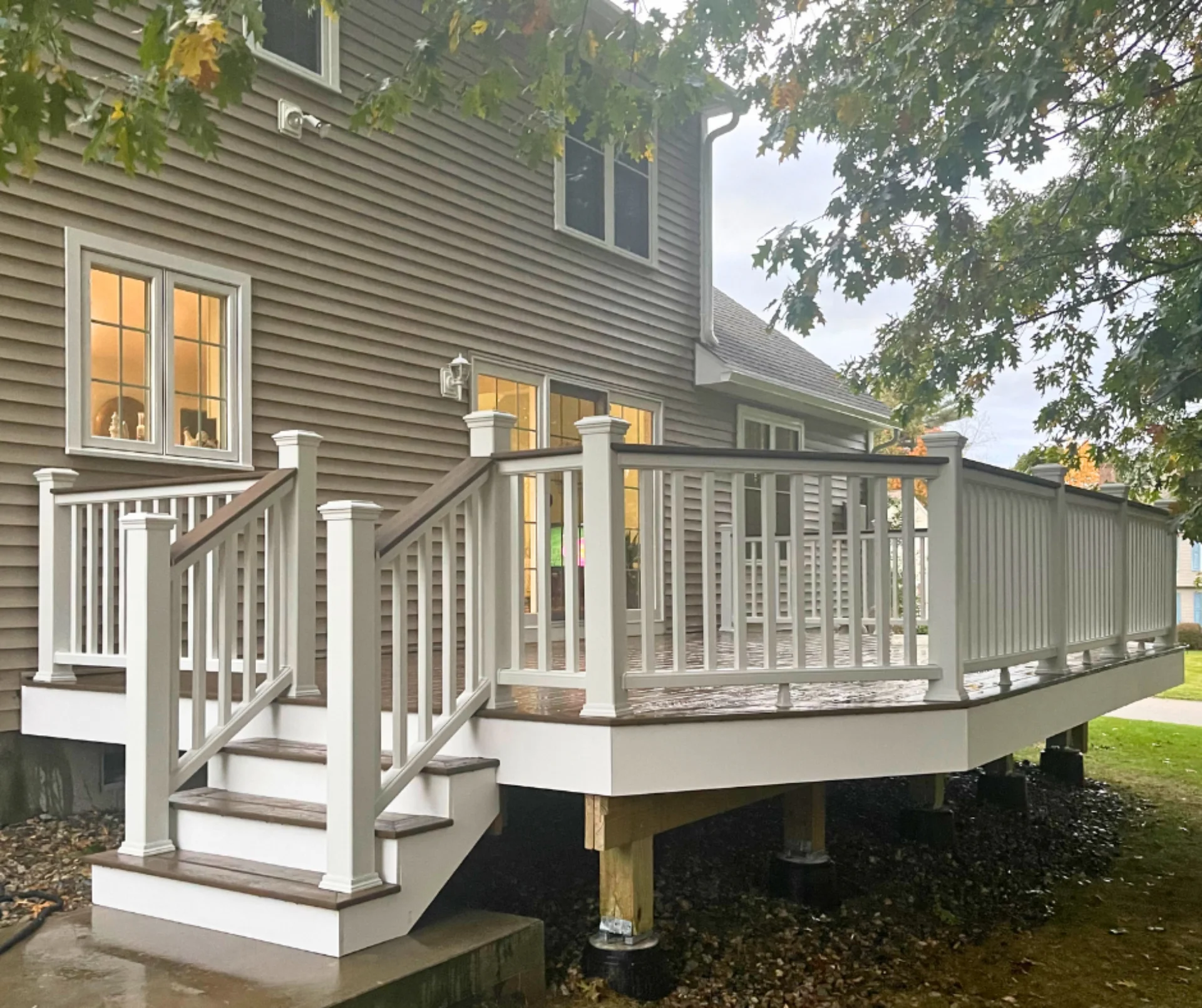
Building a deck is an exciting project that adds value and living space to your home, but the foundation of any great deck starts beneath the surface. Proper deck framing determines whether your outdoor space will stand strong for decades or require costly repairs within just a few years. Understanding the essentials of structural support helps homeowners in New England, MA make informed decisions that protect their investment and ensure safety for family and friends.
Choose the Right Framing Materials
The materials you select for deck framing make all the difference in longevity and performance. Pressure-treated lumber remains the most popular choice for structural components because it resists rot, insects, and moisture damage that plague untreated wood. In New England, MA, where humidity and seasonal weather changes challenge outdoor structures, selecting properly rated materials isn’t optional. It’s absolutely essential.
Aluminum framing offers a lightweight, rust-proof alternative that never warps or splits, making it ideal for coastal properties. Composite framing materials provide enhanced durability with minimal maintenance requirements. For heavy-duty applications or longer spans, LVL (laminated veneer lumber) delivers exceptional strength and dimensional stability. PWT pressure-treated wood combines affordability with proven performance for most residential deck projects.
Never Compromise on Joist Spacing
Proper joist spacing forms the backbone of solid deck framing and directly impacts how your deck handles weight and stress. Standard 16-inch on-center spacing works for most residential applications, but checking local building codes ensures compliance with regional requirements specific to New England, MA.
Closer spacing increases strength and reduces bounce, creating a more solid feel underfoot. If you’re planning to install heavy features like hot tubs or outdoor kitchens, consult with professionals about reducing joist spacing or upgrading to larger dimensional lumber. Cutting corners on spacing might save a few boards initially but results in a deck that feels unstable and wears poorly over time.
Attach Ledger Boards Correctly
The ledger board connects your deck to your home and carries tremendous load, making proper installation critical for safety. This component of deck framing must be securely fastened to the house’s rim joist or band board using appropriate lag screws or through-bolts, never nails alone.
Flashing installation above the ledger prevents water infiltration that causes rot in both your deck and home structure. Many deck failures in New England, MA trace back to improperly attached or inadequately flashed ledger boards. Take time to remove siding, install the ledger against solid wood, and seal everything properly before proceeding with the rest of your frame.
Use Quality Fasteners and Hardware
The hardware connecting your deck framing components matters just as much as the lumber itself. Galvanized or stainless steel fasteners resist corrosion in wet conditions that standard hardware cannot withstand. Coastal areas and regions with harsh winters like New England, MA demand corrosion-resistant materials to prevent premature failure.
Structural screws have largely replaced nails for deck framing because they provide superior holding power and won’t back out over time. Joist hangers must be properly sized for your lumber dimensions and attached with all nail holes filled. Hurricane ties, post caps, and beam connectors add significant strength while meeting code requirements for wind and uplift resistance.
Ensure Proper Post and Footing Installation
Your deck’s posts and footings transfer all structural loads to the ground, making them perhaps the most critical aspect of framing. Footings must extend below the frost line to prevent heaving during freeze-thaw cycles common throughout New England, MA. Local building departments specify minimum depths based on regional frost penetration.
Concrete footings should be poured directly in undisturbed soil or formed tubes, never just placed on top of the ground. Posts must be treated for ground contact if they’ll touch concrete or soil. Using adjustable post bases allows for minor leveling adjustments and keeps wood elevated above moisture that collects on footings.
Account for Proper Drainage and Ventilation
Water is framing’s greatest enemy, so designing for drainage and airflow extends your deck’s service life dramatically. Slope your deck frame slightly away from the house to prevent water pooling. Leave adequate space between decking boards for water to drain through rather than sitting on joists.
Ensure proper clearance between the ground and your deck frame for air circulation. Installing joists crown-side up helps water run off rather than pooling in low spots. Consider using joist tape or protective membranes on top of framing members where decking boards attach, as these contact points trap moisture that accelerates decay.
Ready to Build Your Dream Deck?
Quality deck framing requires knowledge, precision, and attention to detail that separates amateur projects from professional results. Whether you’re planning a simple platform or an elaborate multi-level outdoor living space, getting the structural foundation right ensures years of safe enjoyment and minimal maintenance hassles.
Our experienced team specializes in building decks that stand the test of time in New England, MA. We understand local building codes, weather challenges, and construction techniques that deliver superior results. Contact us today at (978) 264-8050 to discuss your deck project and receive a detailed estimate. Let’s build something beautiful and built to last.
Frequently Asked Questions
What size lumber should I use for deck framing?
Most residential decks use 2×8 or 2×10 joists depending on span distances and spacing. Beams typically require doubled 2x8s or larger dimensional lumber. Always consult local codes and span tables for your specific application.
How long does pressure-treated deck framing last?
Properly installed pressure-treated deck frames can last 25-40 years or more in New England, MA. Longevity depends on wood quality, installation techniques, drainage, and regular maintenance to address minor issues before they become major problems.
Do I need a permit for deck framing?
Most jurisdictions require building permits for decks attached to homes or elevated above 30 inches. Permits ensure your framing meets safety standards and building codes. Always check with your local building department before starting construction.